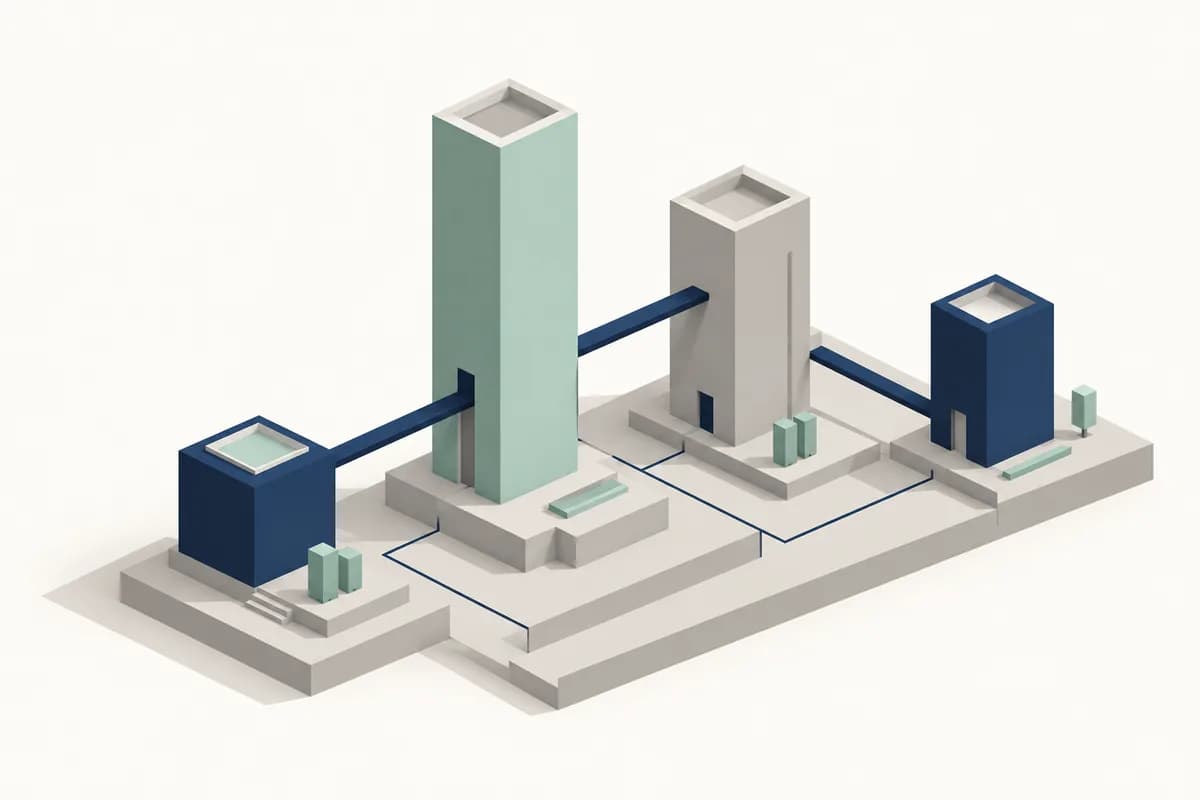
AI workflow automation uses AI to handle the repetitive, document-heavy steps in a business process, such as reading incoming documents, pulling out the key details, checking them against rules, and preparing a result for someone to act on. Unlike older automation that follows fixed rules, AI can work with messy inputs like emails, scanned pages, and free-text requests, which is why it now reaches tasks that used to need a person to read everything.
Not every process is a good candidate. The best ones are repeated often, take noticeable staff time, rely on documents or data you already hold, and follow criteria that can be written down. Examples include reviewing requests against a checklist, sorting and routing documents, summarizing long records, and producing regular reports. A useful test is whether you can describe a recent case from start to finish, including who did what and what a good outcome looked like.
Automation does not have to mean removing people. A sensible design lets the AI prepare the work and a person approve it wherever money, safety, or external communication is involved. Each result should show its sources, say when information is missing, and be logged so the team can see what happened. Start with one workflow and a baseline for how long it takes today, then compare results on real examples before expanding.
Setting this up well takes a clear definition of the job, a limit on the data and systems involved, and review steps that fit how your team works. Kainotomic Enterprise designs AI workflow automation around a single workflow first, measured against your current process. Book a scoping call to find the process in your business that is worth automating first.
Frequently asked questions
How is AI workflow automation different from older automation?
Older automation follows fixed rules. AI can work with messy inputs like emails, scanned pages, and free-text requests.
Which processes are good candidates for AI workflow automation?
Ones that repeat often, take noticeable staff time, rely on documents or data you already hold, and follow criteria that can be written down.
Does AI workflow automation mean removing people?
No. The AI prepares the work and a person approves it wherever money, safety, or external communication is involved. Each result shows its sources and is logged.